
Is Manhattan real estate quietly gearing up for its next move—or are we just mistaking seasonal noise for momentum?
If you’ve been watching the Manhattan market closely as 2025 winds down, you’ve probably noticed something subtle but important. The panic isn’t there. Neither is the frenzy. Instead, the market feels… oddly calm. Not frozen. Not flying. Just steady in a way that makes people lean in a little closer.
That feeling isn’t imaginary. It’s showing up in the data—and in the conversations happening behind closed doors.
Let me explain.
The End-of-Year Reality: Low Supply, But Not Lifeless
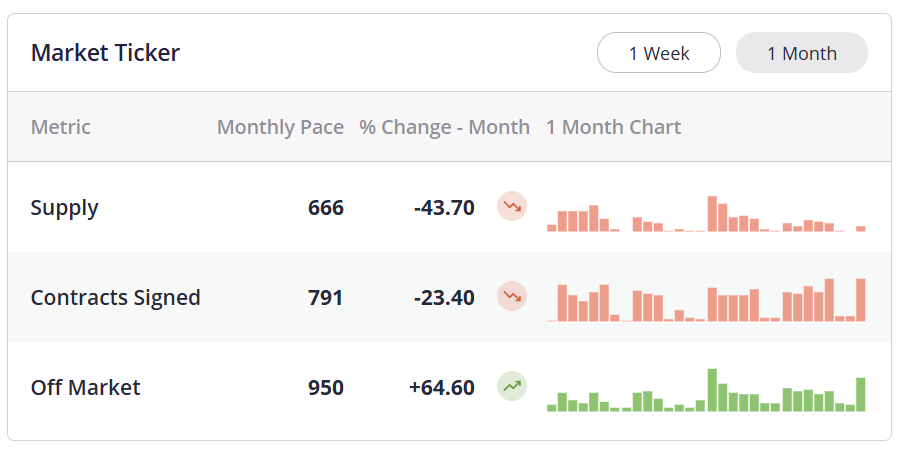
December in Manhattan is never loud. Inventory naturally slides as sellers pull listings, buyers travel, and attention shifts elsewhere. What’s different this year is how little supply is coming online, even by seasonal standards.
New listings are tracking below where they “should” be for this point in the calendar. That matters. Not because buyers are suddenly rushing in, but because fewer options quietly change the balance of power. When shelves thin out, even cautious buyers start paying closer attention.
This is the kind of environment where pricing doesn’t collapse—but it also doesn’t forgive mistakes.
Homes that are dialed in? They still move.
Homes that are aspirationally priced? They linger. And everyone notices.
Contracts Are Telling a More Honest Story
Contract activity has softened, yes—but not dramatically. What we’re seeing instead is a slowdown that feels intentional. Buyers aren’t disappearing. They’re pacing themselves.
That distinction matters.
Contracts signed today reflect decisions made weeks ago. The deals closing now were negotiated during the late-fall lull, not in some imaginary future market. That lag is why closed-sale price data can feel confusing right now. It’s backward-looking in a market that’s quietly recalibrating.
And here’s the nuance many people miss: low volume doesn’t equal weak demand. It often means uncertainty is being priced in.
The Market Pulse Isn’t Lying—But It Is Easy to Misread
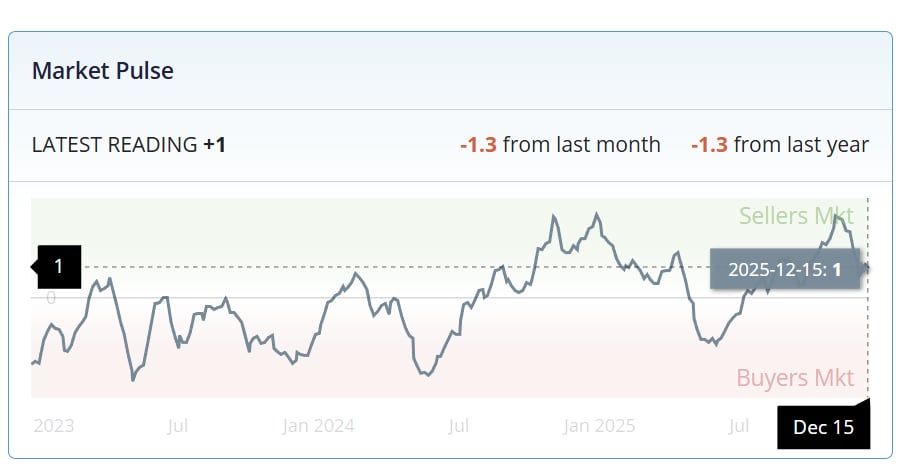
If you follow market “pulse” or liquidity metrics, you may have noticed something counterintuitive: the pulse has stopped falling. In some pockets, it’s ticking up.
That doesn’t mean buyers are suddenly aggressive. It means supply is retreating faster than demand.
Think of it like this: fewer people are shopping, but even fewer homes are available. The math shifts, even if the mood doesn’t.
This is why Manhattan prices feel sticky right now. Not soaring. Not slipping. Just… stubborn.
Rates, Expectations, and the Comfort of Boring
Let’s talk about rates—briefly, and without the drama.
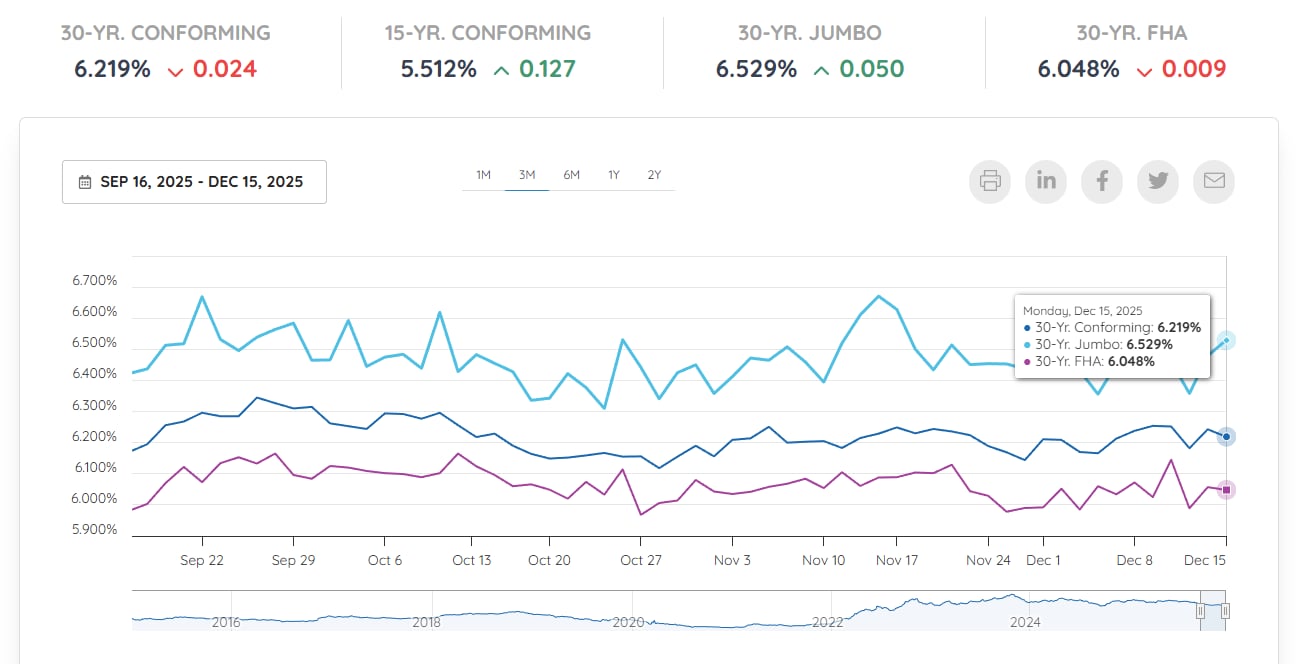
The Federal Reserve has already made its move, and the next one isn’t expected immediately. Markets know this. Lenders know this. Buyers definitely know this. As a result, mortgage rates have settled into a narrow band, especially for jumbo loans.
And honestly? That’s not bad news.
Stable rates remove one layer of anxiety from the decision-making process. When buyers stop asking, “What if rates spike next month?” they start asking better questions. About layout. About light. About long-term value.
Boring, in this case, is helpful.
Credit Markets Aren’t Flashing Red—and That’s a Big Deal
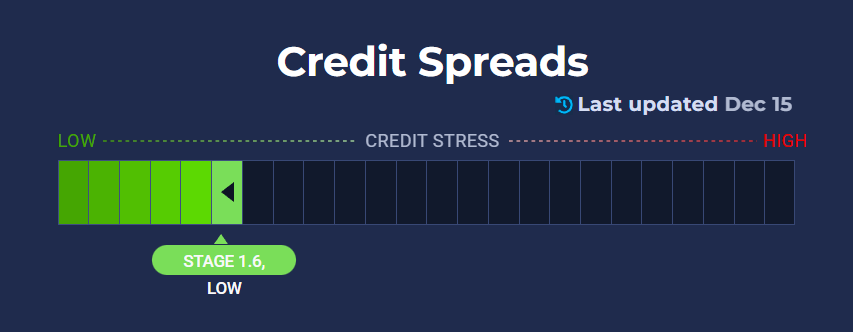
One of the quieter but more important signals right now comes from credit spreads. They remain tight, suggesting investors aren’t pricing in systemic stress.
Why does that matter for real estate?
Because when credit markets stay calm, lending doesn’t seize up. Financing remains available. Liquidity stays functional. And while that doesn’t guarantee higher prices, it reduces the odds of sudden disruption.
In plain terms: there’s no macro alarm bell ringing right now.
Manhattan vs. Everywhere Else (Again)
National headlines love to lump housing markets together. Manhattan refuses to cooperate.
While other regions are dealing with oversupply, new construction hangovers, or sharper price swings, Manhattan continues to operate inside its own constraints. Limited development. Deep equity. High cash participation.
That doesn’t make it immune. It makes it slower to move—both up and down.
And right now, slow is exactly what we’re seeing.
Renovation Fatigue Is Real (And It’s Pricing Homes)
One of the clearest on-the-ground trends this winter is buyer selectivity. Homes that need work aren’t being rejected outright—but they’re being discounted more aggressively.
The renovation premium still exists, but it’s narrower than it was a few years ago. Buyers are doing the math. Time, cost, disruption. It all gets priced in.
This is where sellers sometimes misread the market. They see stable averages and assume their unit should trade the same way. Buyers, meanwhile, are comparing finished product to “project” inventory with a sharper pencil.
That gap is where deals stall—or finally get done.
What This Market Is Really Asking From You
This isn’t a market for shortcuts. Or slogans. Or waiting for a headline to tell you what to do.
It’s a market that rewards:
-
Accurate pricing from day one
-
Honest assessment of condition and competition
-
Timing that respects seasonality instead of fighting it
-
A clear plan, not a hopeful one
Whether you’re buying or selling, the advantage right now comes from clarity, not speed.
Looking Ahead to Early 2026 (Without Guessing)
The question everyone asks is whether spring will “fix” this.
Spring will bring more listings. It always does. Whether it brings more urgency depends on rates, confidence, and how much inventory actually shows up. If sellers stay cautious and supply remains constrained, competition could reappear faster than expected.
If inventory floods back, buyers may regain leverage—briefly.
Either way, the groundwork is being laid now.
A Natural Next Step
If you’re thinking about making a move—this winter, this spring, or even later in 2026—the smartest first step isn’t timing the market. It’s understanding your position inside it.
A good strategy right now isn’t about predictions. It’s about reading the signals correctly, pricing reality honestly, and knowing when patience helps—and when it hurts.
If you want to talk through what the current Manhattan market means for your specific apartment, neighborhood, or goals, that conversation can start now. No pressure. Just perspective.